
گزارش کامل پس از نمایشگاه AGRITECHNICA ۲۰۲۵
پایان اگریتکنیکا ۲۰۲۵؛ بزرگترین آوردگاه نوآوریهای کشاورزی با رکورد جهانی مشارکت و جهش فناوری
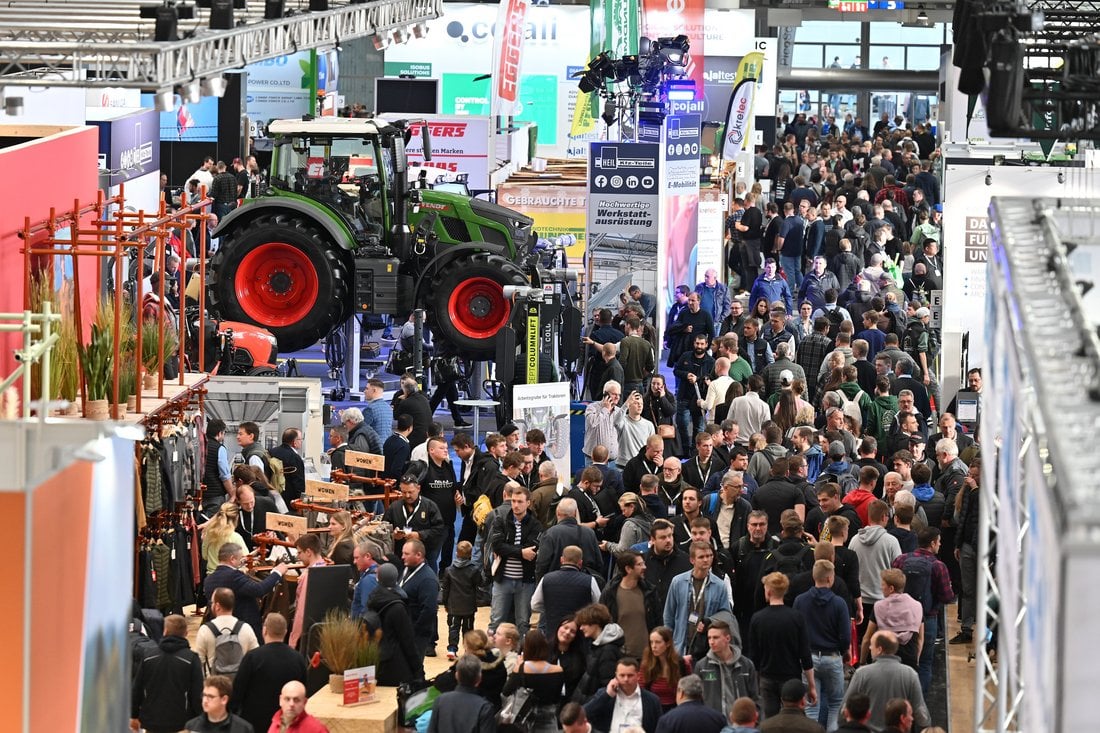
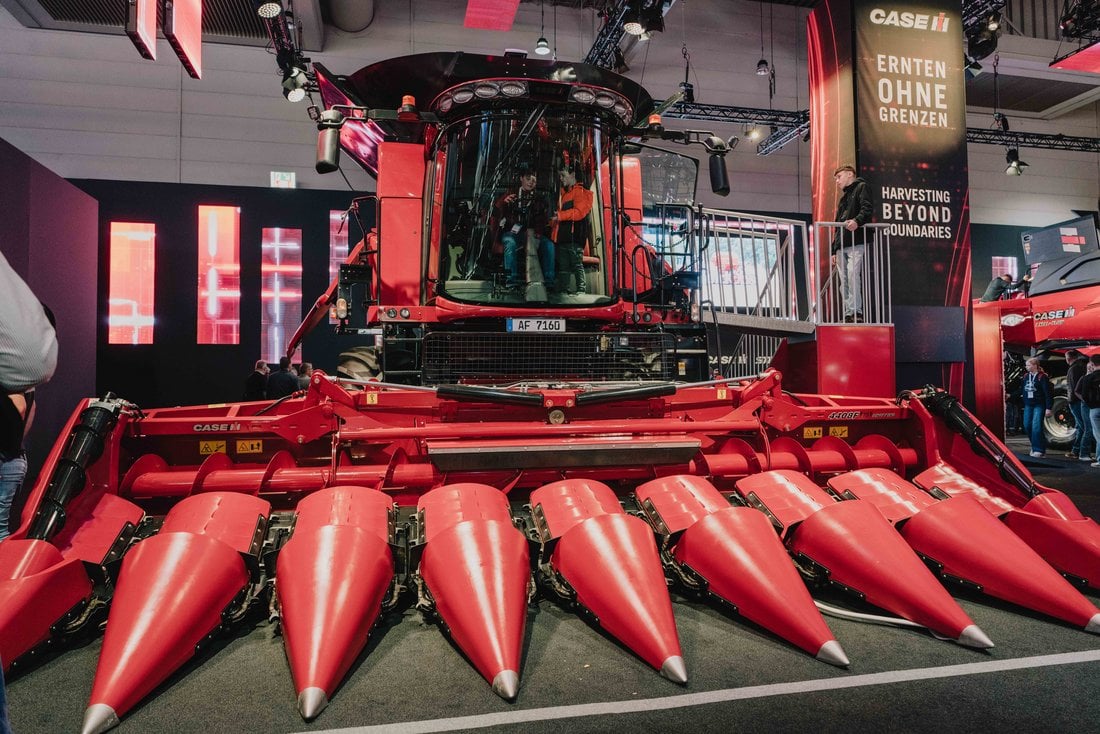
تلویزیون اینترنتی کشاورزپلاس: نمایشگاه Agritechnica 2025 بهعنوان بزرگترین رویداد ماشینآلات و فناوریهای کشاورزی جهان، در روز ۱۵ نوامبر در هانوفر آلمان به کار خود پایان داد؛ رویدادی که با ثبت رکورد حضور بیش از ۲۸۰۰ شرکت از ۵۲ کشور و رونمایی صدها نوآوری تکنولوژیک، صحنه نمایش آینده کشاورزی جهان شد. شعار امسال «Touch Smart Efficiency» بازتابدهنده تمرکز نمایشگاه بر هوشمندسازی، بهرهوری و دیجیتالیسازی فرآیندهای زراعی بود.
حضور جهانی و رکورد مشارکت
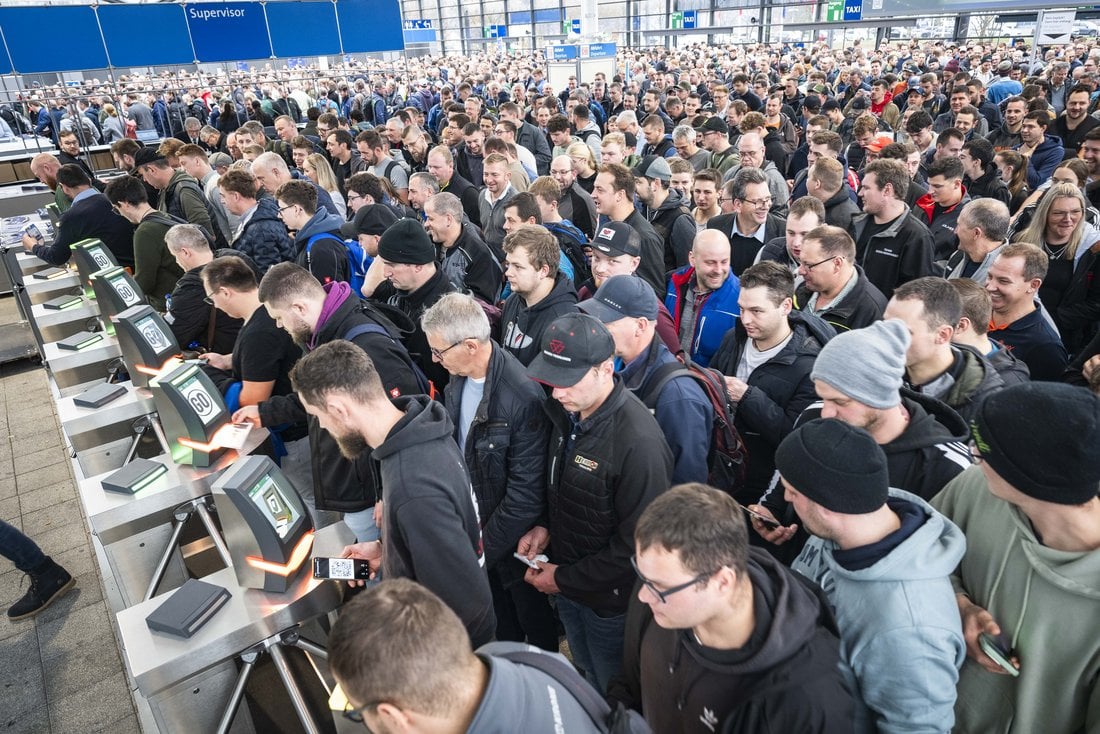
بر اساس اعلام DLG، میزان مشارکت شرکتها و بازدیدکنندگان نسبت به دوره قبل افزایش یافت و بیش از دو سوم شرکتکنندگان غیرآلمانی بودند. این دوره بهعنوان یکی از بینالمللیترین نسخههای آگریتکنیکا ثبت شد و حضور پررنگ شرکتهای آسیایی، اروپایی و غربی جلوهای رقابتی به نمایشگاه بخشید.
شدت گرفتن رقابت در حوزه فناوریهای هوشمند
امسال شرکتها با تمرکز بر دیجیتالیسازی مزارع، رباتیک، سنسورها، هوش مصنوعی و مدیریت هوشمند دادهها، چشماندازی تازه از کشاورزی ارائه کردند. «مرکز مزرعه دیجیتال» که نخستینبار در نمایشگاه راهاندازی شد، به پلتفرمی برای معرفی نسل جدید راهکارهای دادهمحور تبدیل شد.
نوآوریها و جوایز بینالمللی
در بخش رقابتی، ۲۳۴ محصول جدید از ۲۵ کشور برای دریافت «جایزه نوآوری آگریتکنیکا ۲۰۲۵» ثبت شده بود. برندگان نهایی این جایزه، شامل شرکتهایی با تمرکز بر کاهش مصرف انرژی، افزایش دقت عملیات، موتورهای هیدروژنی، سیستمهای هیبریدی و تجهیزات کمتراکم خاک اعلام شدند. این سطح از مشارکت، نمایشگاه را به یکی از نوآورانهترین دورهها تبدیل کرد.
تحرک چشمگیر در بخش پاورتِرِین (Powertrain)
شرکتهای بزرگ جهانی مانند AGCO Power، Bosch، CNH و Zoomlion محصولات نسل جدید خود را رونمایی کردند. موتورهای هیدروژنی، سامانههای هیبریدی، سوختهای کمکربن و فناوریهای کاهش آلایندگی، محور اصلی این بخش را تشکیل دادند. شرکت Zoomlion نیز با عرضه یک سبد کامل از تراکتورهای هیبریدی و برقی، نگاهها را به خود جلب کرد.
تمرکز ویژه بر کشاورزی احیاکننده
DLG در آگریتکنیکا امسال، «۵ اصل بینالمللی کشاورزی احیاکننده» را معرفی کرد؛ اصولی که شامل کاهش حداقل دخالت در خاک، پوشش دائمی سطح، تنوع زیستی، چرخه مواد آلی و پیوند دوباره دام و گیاه بود. این بخش نشان داد که آینده کشاورزی تنها در تکنولوژی خلاصه نمیشود، بلکه اصلاح الگوی تولید و پایداری محیطزیست نیز ضروری است.
بازتاب اقتصادی و پیامدهای جهانی
تحلیلگران بازار در پایان نمایشگاه اعلام کردند که صنعت ماشینآلات کشاورزی وارد دورهای شده است که مرز میان سختافزار، نرمافزار و خدمات پس از فروش در حال محو شدن است. راهکارهای تمامدیجیتال، مدیریت مزرعه از راه دور و کاهش هزینههای تولید از مهمترین پیامدهای این رویکرد عنوان شد.
برای کشورهایی مانند ایران، آگریتکنیکا ۲۰۲۵ پیام مشخصی داشت:
ترکیب فناوری، پایداری و هوشمندسازی دیگر یک انتخاب نیست، بلکه مسیر اجتنابناپذیر ورود به رقابت جهانی کشاورزی است.
مهمترین محصولات رونماییشده در آگریتکنیکا ۲۰۲۵
نمایشگاه امسال شاهد رونمایی از مجموعهای از پیشرفتهترین تجهیزات و ماشینآلات کشاورزی جهان بود؛ محصولاتی که بسیاری از آنها برای نخستینبار در مقیاس جهانی معرفی شدند و جهتگیری آینده صنعت را مشخص کردند.
۱. تراکتورهای هوشمند هیبریدی و هیدروژنی
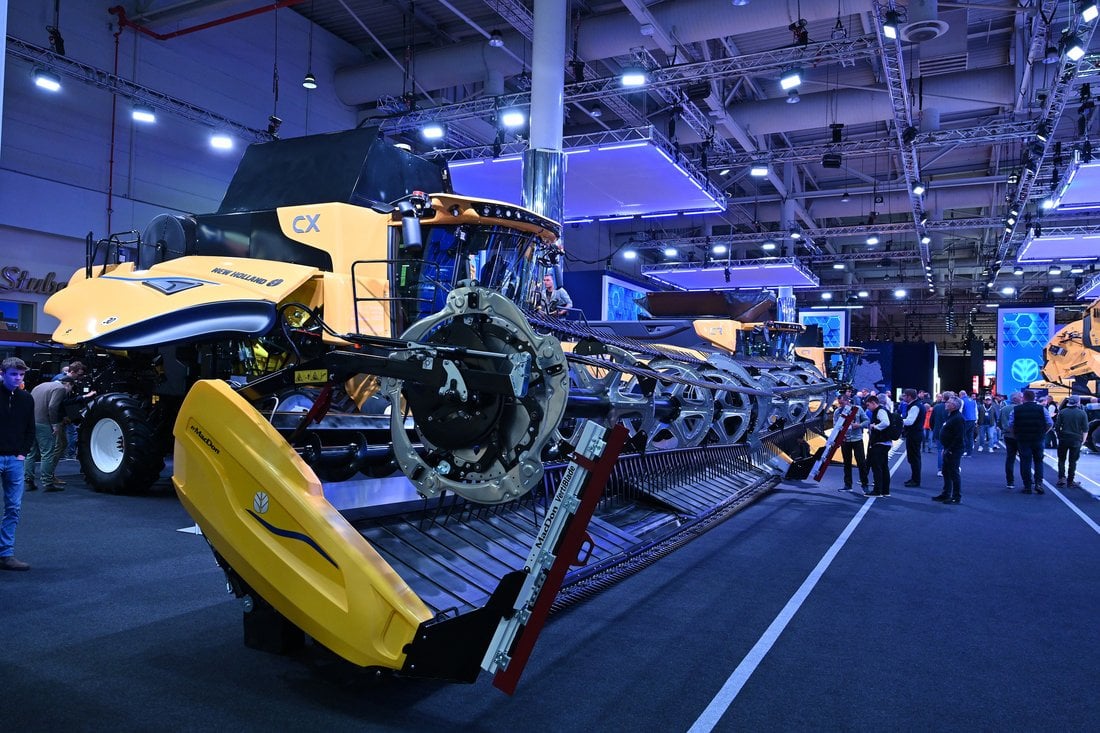
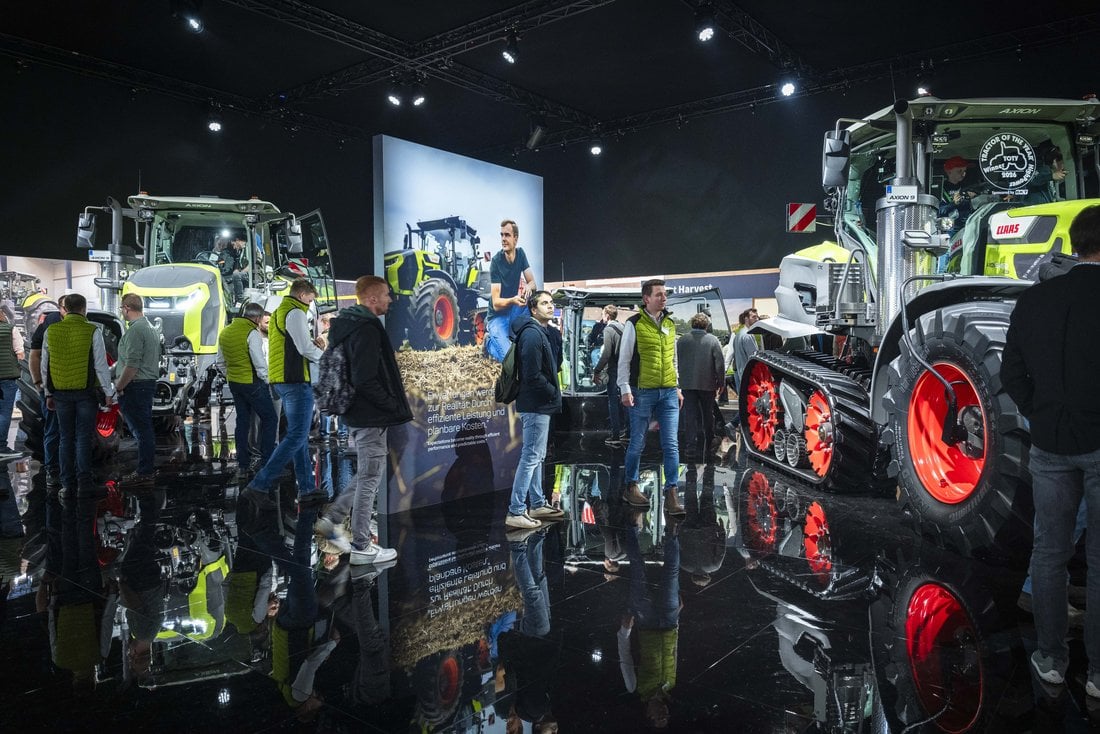
چند برند مطرح اروپایی و آسیایی، از جمله AGCO، CNH و Zoomlion، نسل جدید تراکتورهای هیبریدی، برقی و هیدروژنی را عرضه کردند. این تراکتورها با مصرف سوخت کمتر، آلایندگی پایینتر و سیستمهای کنترل هوشمند، بهعنوان پرچمداران «کشاورزی کمکربن» شناخته شدند.
۲. رباتهای خودران و ماشینهای بدونراننده
رباتهای کاشت و وجینکار، پهپادهای بزرگ چندمنظوره و سامانههای برداشت خودکار، از نقاط قوت این دوره بودند. سیستمهای خودران با دقتافزایی مبتنی بر GPS و هوش مصنوعی، امکان عملیات شبانه و بدون وقفه را فراهم کردند.
۳. ماشینآلات کمتراکم خاک و سازگار با کشاورزی احیاکننده
شرکتهای اروپایی توجه ویژهای به طراحی شاسیهای سبک، تایرهای کمفشار و ادوات با عمق کار کنترلشده داشتند. این گروه تجهیزات برای حفظ سلامت خاک و کاهش فرسایش، مطابق استانداردهای جدید DLG ارائه شدند.
۴. فناوریهای نیروگاهی (Powertrain) نسل جدید
Bosch و AGCO Power موتورهای سازگار با سوختهای سنتتیک، سیستمهای هیبریدی و محرکهای هیدروژنی را معرفی کردند. این فناوریها به دلیل فشارهای جهانی برای کاهش آلایندگی، آینده بازار موتورهای کشاورزی را تحت تأثیر قرار خواهند داد.
۵. نرمافزارهای یکپارچه مدیریت مزرعه و سنسورهای پیشرفته
سامانههای مدیریت مزرعه (FMIS) با قابلیت کنترل از راه دور، تحلیل عملکرد، پیشبینی تولید، و تنظیم هوشمند ماشینآلات، یکی از جذابترین بخشها بود. یکنواختسازی دادهها از طریق سنسورها، تراکتورها و پهپادها، بخش بزرگی از نمایشگاه را به خود اختصاص داد.
پیامدهای اقتصادی آگریتکنیکا ۲۰۲۵ برای تولیدکنندگان ایرانی
نمایشگاه امسال چند پیام روشن و اثرگذار برای صنعت ماشینسازی، قطعهسازی و فناوری کشاورزی ایران داشت؛ پیامهایی که میتواند مسیر آینده تولید داخلی را تعیین کند.
۱. لزوم جهش در سطح فناوری و ورود به رقابت منطقهای
روند جهانی نشان داد که بازار ماشینآلات کشاورزی به سمت هوشمندسازی، هیبریدیسازی و دیجیتالمحور شدن حرکت کرده است. اگر تولیدکنندگان ایرانی در 5 سال آینده نتوانند به این سطح نزدیک شوند، بازار خاورمیانه را به رقبای چینی، ترکیهای و اروپایی واگذار خواهند کرد.
۲. فرصت برای توسعه همکاریهای مشترک (Joint Venture)
حضور پررنگ شرکتهای آسیایی بهویژه چین، نشان داد که درهای همکاری تکنولوژیک برای کشورهایی با صنایع رو به رشد باز است. مشارکتهای فنی – مهندسی میتواند برای ایران کوتاهترین مسیر دستیابی به موتورهای کممصرف، سیستمهای هوشمند و محصولات سازگار با استانداردهای بینالمللی باشد.
۳. افزایش رقابت در بازار داخلی و ضرورت ارتقای استانداردها
با توجه به سرعت ورود فناوریهای جدید، استانداردهای داخلی ایران در زمینه ایمنی، مصرف سوخت، تراکم خاک و آلایندگی نیازمند بازنگری جدی است. مشتریان ایرانی – کشاورزان و شرکتهای خدمات مکانیزاسیون – بهتدریج انتظار تجهیزات کارآمدتر و هوشمندتر خواهند داشت.
۴. فرصت صادرات برای ادوات سبک و اقتصادی بازارهای در حال توسعه
گرچه فناوریهای پیشرفته فاصله زیادی با توان تولید داخلی دارد، اما بازارهایی مانند افغانستان، عراق، قفقاز و آفریقا بهدنبال ادوات ساده، کممصرف و اقتصادی هستند. ایران میتواند با تمرکز بر این بخشها، صادرات ادوات خود را افزایش دهد.
۵. ضرورت تحول در صنعت قطعهسازی
بخش قابلتوجهی از نوآوریهای آگریتکنیکا ۲۰۲۵ در حوزه قطعات الکترونیک، سنسورها، سیستمهای کنترلی و نرمافزار بود. اگر قطعهسازی ایران در این حوزه سرمایهگذاری نکند، تولیدکنندگان داخلی مجبور خواهند شد بخش اعظم نیازهای خود را از واردات تأمین کنند.
Prepared by the Newsroom of KeshavarzPlus Internet TV – Iran
Agritechnica Twenty Twenty-Five Concludes: The World’s Largest Arena of Agricultural Innovation Sets a New Global Benchmark
Agritechnica Twenty Twenty-Five, the world’s largest exhibition for agricultural machinery and advanced farming technologies, concluded on the fifteenth of November in Hannover, Germany. The event hosted more than two thousand eight hundred companies from fifty-two countries and unveiled hundreds of cutting-edge innovations, positioning itself as the global showcase of the future of agriculture.
This year’s theme, “Touch Smart Efficiency,” highlighted the show’s strong emphasis on smart farming, efficiency, and digitalization across agricultural operations.
Global Presence and Record Participation
According to the DLG, international participation grew significantly compared with previous editions. More than two-thirds of the exhibitors were from outside Germany, making Agritechnica Twenty Twenty-Five one of the most internationally diverse editions to date. Strong representation from Asian, European, and Western companies fueled the competitive and innovative atmosphere of the event.
Intensified Competition in Smart Farming Technologies
Exhibitors showcased groundbreaking advancements in digital farming, robotics, sensors, artificial intelligence, and smart data management. For the first time, the event introduced a “Digital Farm Hub,” which served as a central platform for presenting next-generation data-driven agricultural solutions.
Innovation Awards and Global Recognition
A total of two hundred thirty-four new products from twenty-five countries were submitted for the Agritechnica Twenty Twenty-Five Innovation Award. The final winners included companies focusing on energy-saving technologies, high-precision operational systems, hydrogen engines, hybrid solutions, and soil-friendly machinery.
This scale of participation made the Twenty Twenty-Five edition one of the most innovation-rich events in the history of Agritechnica.
Major Developments in the Powertrain Sector
Leading global companies such as AGCO Power, Bosch, CNH, and Zoomlion unveiled their next-generation powertrain solutions. Hydrogen engines, hybrid drivetrains, low-carbon fuels, and emission-reduction systems dominated this sector. Zoomlion drew notable attention with a complete lineup of hybrid and electric tractors.
Strong Focus on Regenerative Agriculture
DLG introduced the Five International Principles of Regenerative Agriculture, including minimal soil disturbance, permanent soil coverage, biodiversity enhancement, organic matter cycling, and reintegration of livestock and crops. This emphasized that the future of agriculture is not only technological—environmental sustainability and production system reform are equally essential.
Economic Signals and Global Implications
Market analysts concluded that agricultural machinery is entering a new era in which the lines between hardware, software, and after-sales services are increasingly blurred. Fully digital farm management, remote operation, and cost-reducing technologies were identified as the core industry trends shaping the next decade.
For countries like Iran, Agritechnica Twenty Twenty-Five carried a clear message:
The fusion of technology, sustainability, and smart farming is no longer optional—it is the mandatory pathway to remain competitive in global agriculture.
Key Products Unveiled at Agritechnica Twenty Twenty-Five
The exhibition showcased a broad portfolio of globally debuting advanced machines and technologies that will shape the future trajectory of agricultural mechanization.
One – Smart Hybrid and Hydrogen Tractors
Prominent brands from Europe and Asia—including AGCO, CNH, and Zoomlion—introduced new generations of hybrid, electric, and hydrogen-powered tractors. These machines stood out for reduced fuel consumption, lower emissions, and intelligent control systems, reinforcing their role as champions of low-carbon agriculture.
Two – Autonomous Robots and Driverless Machines
Autonomous planting and weeding robots, multi-purpose large drones, and automated harvesting systems were among the highlights. GPS- and AI-based autonomous systems demonstrated the ability to operate continuously, even at night, with high precision.
Three – Low-Compaction and Regenerative-Friendly Implements
European manufacturers showcased lightweight frames, low-pressure tire systems, and depth-controlled implements designed to protect soil structure and minimize erosion. These technologies align with the newest DLG standards for regenerative farming.
Four – Next-Generation Powertrain Technologies
Bosch and AGCO Power revealed engines compatible with synthetic fuels, hybrid propulsion systems, and hydrogen-powered drivetrains. Global environmental and emission-reduction pressures are expected to accelerate the adoption of these technologies across the agricultural machinery market.
Five – Integrated Farm Management Software and Advanced Sensors
Farm Management Information Systems (FMIS) featured capabilities such as remote machine control, performance analytics, yield prediction, and intelligent machine adjustment. The harmonization of data from sensors, tractors, and drones covered a major portion of this year’s exhibition.
Economic Implications for Iranian Agricultural Manufacturers
Agritechnica Twenty Twenty-Five delivered several strategic messages for Iran’s machinery, parts manufacturing, and agri-tech industries—signals that may shape the future development of the sector:
One – The Urgent Need for a Technological Leap
The global shift toward hybridization, electrification, and digital farming is accelerating. Without a major technological upgrade within the next five years, Iranian manufacturers risk losing regional markets to Chinese, Turkish, and European competitors.
Two – Expanding Opportunities for Joint Ventures
The strong presence of Asian—especially Chinese—companies demonstrated that technology partnerships are increasingly accessible. Joint ventures can provide Iran with rapid access to low-consumption engines, intelligent systems, and internationally accepted standards.
Three – Rising Competition in the Domestic Market and the Need for Updated Standards
The fast introduction of new technologies demands a comprehensive revision of Iran’s domestic standards for safety, fuel efficiency, soil compaction, and emissions. Farmers and mechanization service providers in Iran will increasingly expect smarter and more efficient machinery.
Four – Export Potential for Affordable Implements in Developing Markets
Although sophisticated technologies remain distant from current local capabilities, markets such as Afghanistan, Iraq, the Caucasus, and parts of Africa continue to demand simple, economical, and low-consumption machinery. Iran can strengthen its export position by focusing on this segment.
Five – The Necessity of Transforming the Parts Manufacturing Industry
A significant portion of Agritechnica Twenty Twenty-Five innovations centered on electronic components, sensors, control systems, and software. Without investment in these fields, Iranian manufacturers will remain dependent on imports for critical components.
دیدگاه تان را بنویسید