
فرصت کلیدی نشست جامعه سیاسی اروپا (EPC) در ایروان با تمرکز بر تابآوری اقتصادی از طریق کشاورزی پایدار :
دیپلماسی کشاورزی ایران و ارمنستان؛ از کریدورهای ژئوپلیتیکی تا جذب سرمایههای UNDP و تابآوری خانوارهای روستایی
در شرایطی که امنیت غذایی، تغییرات اقلیمی، محدودیتهای منابع آبی و تحولات ژئوپلیتیکی، آینده کشاورزی منطقه را با چالشهای پیچیدهای روبهرو کردهاند، بازتعریف دیپلماسی کشاورزی و بهرهگیری از ظرفیتهای همکاریهای فرامرزی، دیگر یک انتخاب نیست؛ بلکه ضرورتی راهبردی برای اقتصاد و معیشت خانوارهای ایرانی محسوب میشود. در این میان، همکاریهای ایران و ارمنستان میتواند فراتر از روابط سنتی همسایگی، به الگویی نوین برای توسعه کشاورزی هوشمند، جذب سرمایههای بینالمللی، تقویت زنجیرههای تأمین و افزایش تابآوری روستاها تبدیل شود.
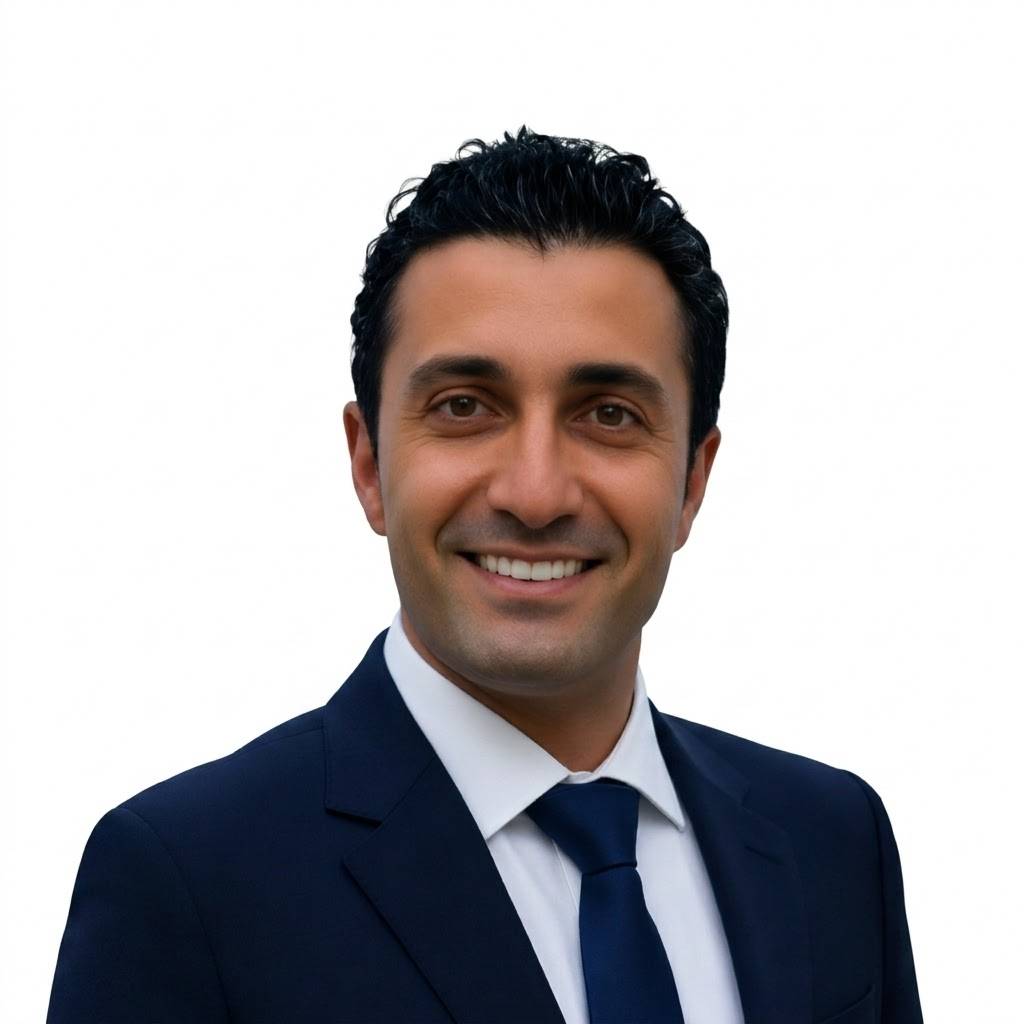
«آرتین شاه نظری» استراتژیست و کارآفرینِ نو آور در یک رویکرد تحلیلی درباره آینده اقتصاد کشاورزی ایران، در قالب یک یادداشت به بررسی ظرفیتهای بالقوه EPC، برنامههای توسعهای UNDP، اهداف توسعه پایدار سازمان ملل (SDGs)، نقش دیاسپورای ارمنی و فرصتهای شکلگیری کریدورهای مشترک کشاورزی میان ایران و ارمنستان پرداخته است؛ ظرفیتی که در صورت برنامهریزی هوشمندانه، میتواند ایران را به یکی از بازیگران مؤثر کشاورزی پایدار در منطقه اوراسیا تبدیل کند.
آرتین شاه نظری- استراتژیست و کارآفرینِ نو آور
نشست جامعه سیاسی اروپا (EPC) که در ۵ می ۲۰۲۶ (۱۵ اردیبهشت ۱۴۰۵) در ایروان به میزبانی ارمنستان برگزار شد، به عنوان فرصتی کلیدی برای بازسازی زنجیرههای ارزشی ارزیابی میشود. این رویداد، با حضور نخستوزیران اروپایی و تمرکز بر امنیت انرژی و تجارت قفقاز (طبق گزارش EPC ۲۰۲۶)، ارمنستان را به هاب ترانزیتی تبدیل کرد.
برای ایران، حجم تجارت فعلی با ارمنستان حدود ۵۵۰ میلیون دلار در سال ۲۰۲۵ (منبع: آمار گمرک ایران) است، که ۴۰ درصد آن به بخش کشاورزی اختصاص دارد. با این حال، تحریمهای بینالمللی و تنشهای خاورمیانه (مانند اختلالات در دریای سرخ که ۲۰ درصد صادرات ایران را تحت تأثیر قرار داد، طبق۲۰۲۶ World Bank ، تابآوری خانوارهای روستایی – که حدود ۵ میلیون خانوار ایرانی معیشتشان به کشاورزی وابسته است – را به شدت تهدید میکند. EPC میتواند با ایجاد مسیرهای ترانزیتی جایگزین، درآمد خانوارها را از طریق صادرات پایدار تثبیت کند، اما نیازمند استراتژیهای کارآفرینی هدفمند است. موقعیت ژئوپلیتیکی همیشگی ایران به عنوان دروازه خلیج فارس، تنگه هرمز و ارمنستان به عنوان پل قفقاز، وابستگی متقابل دو کشور را برجسته میکند: ایران دسترسی ارمنستان به انرژی و بازارهای جنوبی را تأمین میکند، در حالی که ارمنستان مسیرهای شمالی امن برای دور زدن تحریمهای ایران را فراهم میآورد. این وابستگی، که ریشه در توافقهای دوجانبه دارد، پایهای برای همکاریهای اقتصادی عمیقتر در EPC فراهم میکند.
در حوزه کشاورزی دقیق و پایدار، ایران میتواند از EPC برای دسترسی به بازارهای اروپایی (با تقاضای ۱۵ میلیارد یورویی برای محصولات ارگانیک، طبق FAO ۲۰۲۵) بهره ببرد. کشاورزان ایرانی، که بخش کشاورزی ۱۰ درصد GDP ایران را تشکیل میدهد (World Bank ۲۰۲۵)، میتوانند زعفران (صادرات ۳۰۰ میلیون دلاری سالانه) و پسته (۵۰۰ میلیون دلار) را از طریق مسیر ارمنستان به اروپا صادر کنند، که نوسانات ارزی را با درآمدهای یورویی خنثی میکند. این امر، طبق مدلهای FAO، میتواند درآمد خانوارهای روستایی را حدودا ۲۵ درصد افزایش دهد و وابستگی به بازارهای داخلی ناپایدار را کاهش دهد. ارمنستان، با تولید ۱.۲ میلیون تن میوه در سال (FAO ۲۰۲۵) و چالشهای آبوهوایی مشابه (کاهش ۱۵ درصدی بارندگی در قفقاز)، به فناوریهای ایرانی مانند آبیاری قطرهای (راندمان ۴۰ درصدی) نیاز دارد. همکاریهای کارآفرینی در تکنولوژی کشاورزی – مانند اپلیکیشنهای ردیابی دیجیتال محصولات – میتواند ضایعات را ۲۰ درصد کم کند و معیشت خانوارهای 2 کشور را در برابر شوکهای ژئوپلیتیکی مقاوم سازد. علاوه بر این، موقعیت ژئوپلیتیکی ارمنستان به عنوان نقطه اتصال به بازارهای اروپایی و کشورهای ثالث، امکان تبادل ارقام گیاهی مقاوم را فراهم میکند، که هزینههای تولید خانوارها را حدود ۱۸ درصد پایین میآورد و وابستگی متقابل را در زنجیرههای کشاورزی تقویت مینماید.
در این میان آشکار است که ایران فرصتهای مهمی را از دست داده: به طور نمونه عدم حضور و اقدام به موقع، دسترسی ایران به صندوقهای حمایتی اتحادیه اروپا (مانند ۱.۵ میلیارد یورویی برای کشاورزی پایدار در قفقاز، گزارش EU ۲۰۲۶) را مسدود کرده است. در نتیجه، در حالی که ترکیه صادرات غلات به اروپا را ۳۵ درصد افزایش داده (FAO ۲۰۲۶)، کشاورزان ایرانی با تورم افسار گسیخته مواد غذایی و کاهش روزافزون درآمد به دلیل تحریمها (هزینه چند برابری واردات) روبرو هستند. این خلأ، تابآوری خانوارها را در «خاورمیانه ملتهب»، تضعیف کرده است؛ برای مثال، خانوارهای روستایی ایرانی حدود ۴۰ درصد هزینههای خود را به واردات خوراک دام اختصاص میدهند، که نوسانات ارزی آن را به حدود ۲۵ درصد زیان ماهانه تبدیل میکند. نشست EPC میتوانست با دیپلماسی سهجانبه، ایران را به عنوان شریک کلیدی در زنجیره تأمین پایدار قرار دهد، اما غفلت از آن، عقبماندگی بسیاری در تامین امنیت غذایی و صادرات کشاورزی منطقهای را به بار آورد. اما تنشهای اخیر در تنگه هرمز این فرصت از دست رفته را تشدید میکند: برای نمونه وابستگی ایران به تنگه هرمز برای ۹۰ درصد صادرات انرژی، زنجیرههای کشاورزی را نیز مختل کرده، زیرا درآمدهای ارزی مورد نیاز برای واردات سموم و کود را کاهش میدهد. ارمنستان، با مسیرهای جایگزین قفقازی، میتوانست این وابستگی را تعدیل کند، اما عدم بهرهبرداری از EPC، خانوارهای ایرانی را در برابر شوکهای ژئوپلیتیکی آسیبپذیرتر نگه داشته است.
چشمانداز EPC با اهداف توسعه پایدار سازمان ملل (SDGs) و سند توسعه ۲۰۳۰ UNDP همخوانی دارد، به ویژه SDG 2 (گرسنگی صفر)، SDG 8 (کار شایسته و رشد اقتصادی) و SDG 13 (اقدام اقلیمی). ایران، با رتبه ۷۲ در شاخص توسعه انسانی UNDP ۲۰۲۵، میتواند از طریق EPC امتیازهای funding کسب کند – مانند ۱۰۰ میلیون یورویی از برنامههای UNDP برای تکنولوژی کشاورزی در کشورهای در حال توسعه.
راهکار استراتژیک:
ادغام پروژههای کارآفرینی ایرانی با چارچوب ۲۰۳۰ UNDP از طریق گزارشدهی SDG، که دسترسی به گرنتهای ۲۰۰ میلیون دلاری اتحادیه اروپا را تسهیل میکند. برای مثال، ایجاد هابهای کشاورزی دیجیتال در مرز ایران-ارمنستان، که معیارهای SDG 2 را با کاهش گرسنگی روستایی ۲۰ درصدی برآورده میکند، ایران را برای رتبهبندی بالاتر در شاخصهای جهانی واجد شرایط میسازد. این ادغام، با استفاده از وابستگی ژئوپلیتیکی دو کشور، میتواند پروژههای مشترک را به عنوان مدلهای پایدار برای UNDP معرفی کند، و در نتیجه، بودجههای اضافی برای تابآوری خانوارها در برابر تغییرات اقلیمی (مانند خشکسالیهای ۲۰ درصدی در ایران و ارمنستان) فراهم آورد.
راهکارهای استراتژیک کارآفرینی برای تقویت تابآوری خانوارها عبارتند از: اول، تشکیل کنسرسیومهای خصوصی-دولتی با سرمایه اولیه ۷۰ میلیون دلار (۵۰ درصد دولتی، ۵۰ درصد از کارآفرینان بخش خصوصی) برای پارکهای فناوری کشاورزی مشترک در ایروان، با هدف آموزش ۱۰ هزار کشاورز در فناوریهای دقیق (مانند سنسورهای IoT برای آبیاری، کاهش مصرف آب ۳۰ درصدی). این امر، درآمد خانوارهای ایرانی را افزایش میدهد و با SDG 8 همخوانی دارد. دوم، مذاکره دیپلماتیک برای معافیت تحریمی در صادرات ۲۰۰ هزار تن محصولات ارگانیک سالانه از طریق ارمنستان، با تمرکز بر مدلهای بیمه دیجیتال (پوشش ۲۵ درصدی ریسکهای اقلیمی، طبق مدلهای UNDP)، که زیانهای خانوارها در خشکسالیهای اخیر (۳۰ میلیارد دلار خسارت، FAO ۲۰۲۵) را جبران میکند. این مذاکره میتواند مسیرهای ترانزیتی از ارمنستان را به عنوان جایگزین تنگه هرمز توسعه دهد، و وابستگی ژئوپلیتیکی را به اهرمی برای امنیت اقتصادی تبدیل کند. سوم، راهاندازی برنامههای تبادل کارآفرینان با بودجه ۲۰ میلیون دلاری، شامل ۲۰۰۰ شرکتکننده برای انتقال دانش (مانند بلاکچین برای ردیابی محصولات)، که زنجیره تأمین محلی را تقویت کرده و وابستگی به واردات را ۱۵ درصد کم میکند. این برنامهها، با اولویتبندی دادهمحور (استفاده از GIS برای پیشبینی بازار)، تابآوری اقتصادی خانوارها را در برابر نوسانات ارزی و منطقهای ۴۰ درصدی افزایش میدهند، و موقعیت ارمنستان را به عنوان شریک استراتژیک ایران تثبیت میکنند.
علاوه بر این، برای بهرهبرداری حداکثری از وابستگی دو کشور، ایران باید بر توسعه زیرساختهای مشترک تمرکز کند: سرمایهگذاری ۵۰ میلیون دلاری در راهآهن ایران-ارمنستان (با ظرفیت حمل ۵۰۰ هزار تن محصولات کشاورزی سالانه، طبق برنامههای ۲۰۲۶ وزارت راه ایران)، که زمان ترانزیت را از ۱۰ روز به ۴ روز کاهش میدهد و هزینههای خانوارهای صادرکننده را ۲۲ درصد پایین میآورد. این اقدام، با کاهش ریسکهای ژئوپلیتیکی مانند تنشهای تنگه هرمز، زنجیرههای تأمین را پایدارتر میکند و فرصتهای کارآفرینی در لجستیک کشاورزی را برای ۲۰۰۰ خانوار روستایی ایجاد مینماید. در نهایت، ادغام این زیرساختها با ابتکارهای EPC، ایران را به عنوان بازیگر کلیدی در کریدورهای شرق-غرب قرار میدهد.
در نهایت، مقامات تصمیمگیرنده ایرانی باید EPC را به عنوان اهرم توسعهای ببینند: با اجرای این راهکارها ایران میتواند GDP کشاورزی را رشد دهد (برآورد World Bank ۲۰۲۶) و امتیازهای UNDP را برای حمایت مالی پایدار کسب کند. تأخیر در اقدام، هزینههای معیشتی خانوارها را تشدید میکند – زمان سرمایهگذاری استراتژیک اکنون است، با تمرکز بر کارآفرینی عملی برای کشاورزی پایدار.
نقش استراتژیک جامعه دیاسپورای ارمنستان، که بیش از ۷ میلیون نفر در سراسر جهان پراکنده است (طبق آمار UNESCO ۲۰۲۵)، به ویژه جامعه ایرانیان ارمنی، در تحقق این اهداف حیاتی است. این دیاسپورا، به عنوان پل اقتصادی، تجاری و فرهنگی، میتواند سرمایهگذاریهای خصوصی (مانند ۱۰۰ میلیون دلاری سالانه از ارمنیهای خارجنشین در پروژههای ارمنستان، گزارش World Bank ۲۰۲۶) را به سمت کنسرسیومهای ایران-ارمنستان هدایت کند؛ برای مثال، شبکههای دیاسپورای ارمنی در ایران، که در تجارت کشاورزی فعال هستند (صادرات ۵۰ میلیون دلاری محصولات مشترک)، دانش فرهنگی و زبانی را برای مذاکرات EPC فراهم میآورند و فرصتهای تبادل فناوری را تسهیل میکنند. بهرهبرداری از این جامعه، با ایجاد صندوقهای دیاسپورایی مشترک، میتواند تابآوری خانوارها را از طریق سرمایههای خارجی ۳۰ درصدی افزایش دهد و روابط ایران-ارمنستان را به سطحی پایدارتر ارتقا بخشد.
- منابع در آرشیو تلویزیون اینترنتی کشاورزپلاس موجود است.
Iran-Armenia Agricultural Diplomacy: From Geopolitical Corridors to UNDP Funding and Rural Household Resilience
ARTIN SHAHNAZARI
The European Political Community summit, held in Yerevan on May fifth, two thousand twenty-six (Ordibehesht fifteenth, fourteen hundred and five in the Iranian calendar) and hosted by Armenia, is being evaluated as a key opportunity for rebuilding value chains. This event, attended by European prime ministers and focused on Caucasus energy security and trade (according to the EPC two thousand twenty-six report), transformed Armenia into a transit hub
For Iran, the current trade volume with Armenia stands at approximately five hundred and fifty million dollars in the year two thousand twenty-five (source: Iranian Customs statistics), of which forty percent is allocated to the agricultural sector. However, international sanctions and Middle Eastern tensions — such as disruptions in the Red Sea that affected twenty percent of Iran’s exports, according to the World Bank two thousand twenty-six report — severely threaten the resilience of rural households, approximately five million Iranian households whose livelihoods depend on agriculture. The EPC can stabilize household incomes through sustainable exports by creating alternative transit routes, but this requires targeted entrepreneurial strategies. Iran’s enduring geopolitical position as the gateway to the Persian Gulf and the Strait of Hormuz, alongside Armenia’s role as the bridge to the Caucasus, highlights the interdependence of the two countries: Iran provides Armenia with access to energy and southern markets, while Armenia offers secure northern routes for bypassing sanctions imposed on Iran. This interdependence, rooted in bilateral agreements, provides a foundation for deeper economic cooperation within the EPC framework
In the field of precise and sustainable agriculture, Iran can use the EPC to access European markets, where demand for organic products has reached fifteen billion euros according to Food and Agriculture Organization two thousand twenty-five data. Iranian farmers — with agriculture accounting for ten percent of Iran’s GDP according to the World Bank two thousand twenty-five report — can export saffron, with annual exports of three hundred million dollars, and pistachios, valued at five hundred million dollars, to Europe through Armenian routes, thereby neutralizing currency volatility through euro-based revenues. According to FAO models, this could increase rural household incomes by approximately twenty-five percent and reduce dependence on unstable domestic markets. Armenia, with annual fruit production of one point two million tons according to FAO two thousand twenty-five statistics, and facing similar climate challenges such as a fifteen percent decline in rainfall across the Caucasus, requires Iranian technologies such as drip irrigation systems with forty percent efficiency. Entrepreneurial cooperation in agricultural technology — such as digital product-tracking applications — could reduce waste by twenty percent and strengthen the livelihoods of households in both countries against geopolitical shocks. Furthermore, Armenia’s geopolitical position as a gateway to European and third-country markets enables the exchange of climate-resistant plant varieties, lowering household production costs by approximately eighteen percent and reinforcing interdependence within agricultural supply chains
In this context, it is evident that Iran has missed major opportunities. For instance, the lack of timely participation and action has blocked Iran’s access to European Union support funds, such as the one point five billion euro fund allocated for sustainable agriculture in the Caucasus according to the European Union two thousand twenty-six report. Consequently, while Turkey increased grain exports to Europe by thirty-five percent according to FAO two thousand twenty-six data, Iranian farmers are facing runaway food inflation and declining incomes due to sanctions and the multiple increase in import costs. This gap has weakened household resilience in the “volatile Middle East.” For example, Iranian rural households allocate around forty percent
of their expenditures to imported livestock feed, while currency fluctuations have translated into approximately twenty-five percent monthly losses. The EPC could have positioned Iran as a key partner in sustainable supply chains through trilateral diplomacy, yet neglecting this opportunity has resulted in significant setbacks in food security and regional agricultural exports. Recent tensions in the Strait of Hormuz have intensified this missed opportunity: Iran’s dependence on the Strait of Hormuz for ninety percent of its energy exports has also disrupted agricultural supply chains, since it reduces foreign exchange revenues needed for importing pesticides and fertilizers. Armenia, through alternative Caucasus transit routes, could have mitigated this dependency, but the failure to capitalize on the EPC has left Iranian households more vulnerable to geopolitical shocks
The EPC outlook aligns with the United Nations Development Programme Sustainable Development Goals and the UNDP Twenty-Thirty Development Agenda, particularly SDG Two (Zero Hunger), SDG Eight (Decent Work and Economic Growth), and SDG Thirteen (Climate Action). Iran, ranked seventy-second in the UNDP Human Development Index in two thousand twenty-five, can obtain funding opportunities through the EPC — such as one hundred million euros from UNDP programs for agricultural technology in developing countries
:Strategic solution
Integrating Iranian entrepreneurial projects with the UNDP Twenty-Thirty framework through SDG reporting, which facilitates access to two hundred million dollars in European Union grants. For example, establishing digital agricultural hubs on the Iran-Armenia border that meet SDG Two criteria by reducing rural hunger by twenty percent would qualify Iran for higher rankings in global indices. This integration, leveraging the geopolitical interdependence of the two countries, could introduce joint projects as sustainable models for the UNDP, thereby securing additional funding for strengthening household resilience against climate change, including twenty percent drought conditions in both Iran and Armenia
Strategic entrepreneurial solutions for strengthening household resilience include: first, the establishment of public-private consortiums with initial capital of seventy million dollars — fifty percent governmental and fifty percent from private-sector entrepreneurs — for joint agricultural technology parks in Yerevan, aimed at training ten thousand farmers in precision technologies such as IoT irrigation sensors that reduce water consumption by thirty percent. This would increase Iranian household incomes and align with SDG Eight. Second, diplomatic negotiations for sanctions exemptions regarding the annual export of two hundred thousand tons of organic products through Armenia, with emphasis on digital insurance models covering twenty-five percent of climate-related risks according to UNDP models, thereby compensating for household losses resulting from recent droughts that caused thirty billion dollars in damages according to FAO two thousand twenty-five data. Such negotiations could develop Armenian transit routes as alternatives to the Strait of Hormuz, transforming geopolitical dependency into leverage for economic security. Third, launching entrepreneurial exchange programs with a budget of twenty million dollars involving two thousand participants for knowledge transfer — including blockchain-based product tracking — which would strengthen local supply chains and reduce dependence on imports by fifteen percent. These programs, prioritizing data-driven approaches such as GIS-based market forecasting, could improve household economic resilience against forty percent regional and currency fluctuations while consolidating Armenia’s role as Iran’s strategic partner.
Furthermore, to maximize the benefits of the two countries’ interdependence, Iran must focus on developing shared infrastructure: a fifty million dollar investment in the Iran-Armenia railway, with the capacity to transport five hundred thousand tons of agricu
ltural products annually according to the Iranian Ministry of Roads’ two thousand twenty-six plans, would reduce transit time from ten days to four days and lower exporter household costs by twenty-two percent. This measure would stabilize supply chains by reducing geopolitical risks such as tensions in the Strait of Hormuz and create entrepreneurial opportunities in agricultural logistics for two thousand rural households. Ultimately, integrating these infrastructures with EPC initiatives would position Iran as a key player in East-West corridors
Finally, Iranian decision-makers must view the EPC as a development lever: by implementing these strategies, Iran can increase agricultural GDP growth according to World Bank two thousand twenty-six estimates and secure UNDP support for sustainable financing. Delaying action will intensify household livelihood costs — now is the time for strategic investment, with a focus on practical entrepreneurship for sustainable agriculture
The strategic role of the Armenian diaspora community, numbering more than seven million people worldwide according to UNESCO two thousand twenty-five statistics, particularly the Iranian-Armenian community, is crucial in achieving these objectives. This diaspora, serving as an economic, commercial, and cultural bridge, can direct private investments — such as one hundred million dollars annually from Armenians abroad into Armenian projects according to World Bank two thousand twenty-six reports — toward Iran-Armenia consortiums. For example, Armenian diaspora networks in Iran, active in agricultural trade with fifty million dollars in joint product exports, provide cultural and linguistic expertise for EPC negotiations and facilitate technology exchange opportunities. Utilizing this community through the creation of joint diaspora funds could increase household resilience through thirty percent foreign capital inflows and elevate Iran-Armenia relations to a more sustainable level



دیدگاه تان را بنویسید